FARAWAY RETREATS #03
SANKARA HOTEL & SPA YAKUSHIMA
YAKUSHIMA · ISLAND & LANDSCAPE
When Yakushima Becomes the Main Facility
A Faraway reading of forest, rain, moss, water, and terrain as the larger experience around sankara.
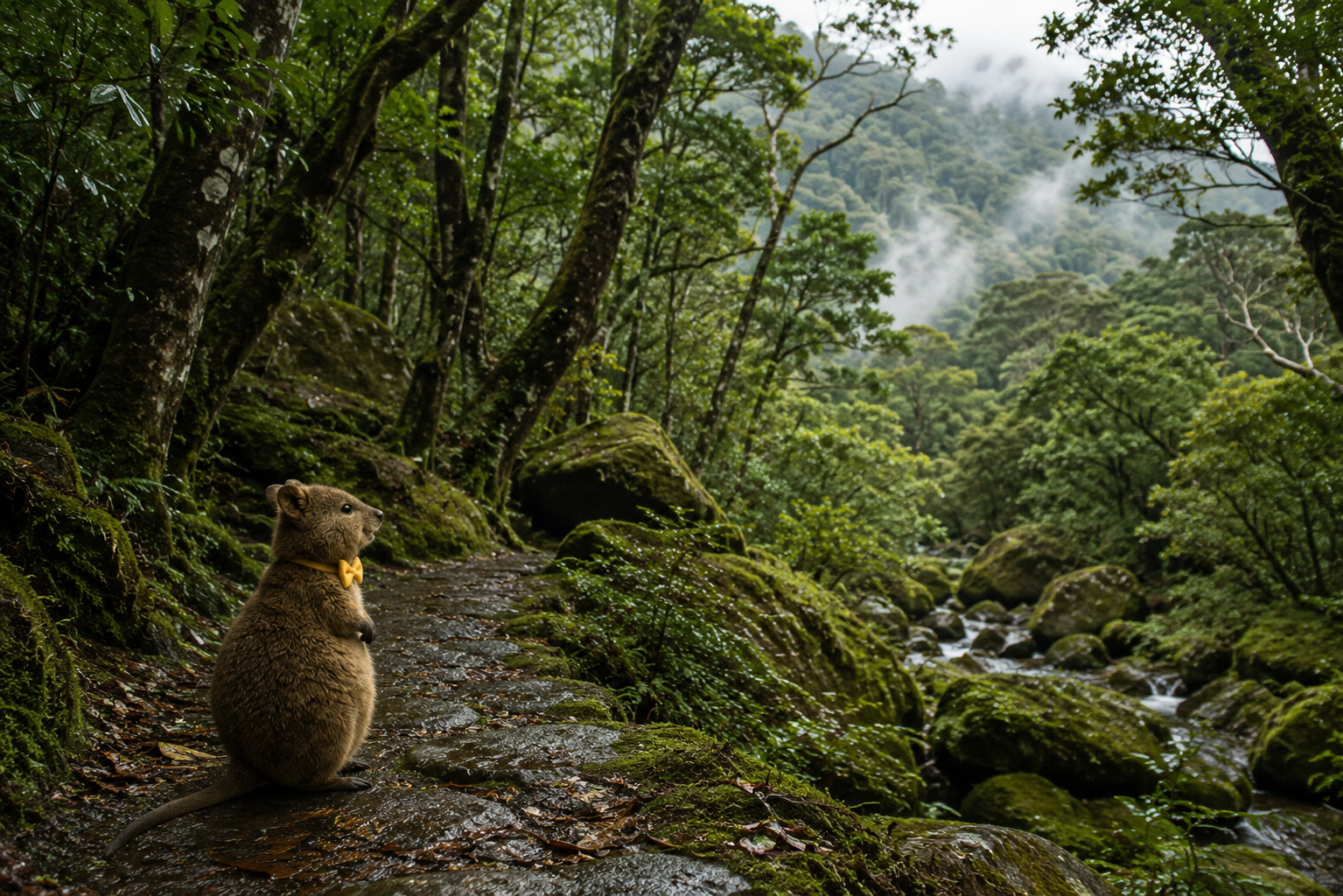
AI-generated editorial image. This image is an editorial interpretation and may not depict the property exactly.
Field Notes
Island & Landscape
The landscape is not outside the stay
At many resorts, nature is the view beyond the room. At sankara hotel & spa Yakushima, the destination has more authority than that. Yakushima is known for forest, rain, mountains, water, and old-growth atmosphere, and those conditions shape the stay before any facility list can explain it.
The point of this article is to separate landscape value from decorative scenery. Yakushima changes planning, clothing, pace, appetite, and recovery. It gives the hotel a reason to feel remote without making remoteness an empty mood.
For a Faraway reader, the useful question is whether the island itself is part of what you are booking. At sankara, the answer should be yes.
The island is not a background image. It is the larger field of the stay.
Forest Scale
Yakushima gives the stay a scale larger than the property
Yakushima is not a manicured resort setting. Its appeal comes from a landscape that feels older, wetter, and more physically demanding than a simple coastal escape. Forest, moss, water, and mountain weather make the guest aware of being on an island with its own rhythm.
That scale changes how sankara works. The hotel can be refined because the destination supplies the weight. A room, pool, restaurant, or spa hour does not need to manufacture drama when the island has already given the trip a strong frame.
This is why the landscape chapter should not become another access article. Arrival explains why the distance matters. Landscape explains what that distance allows the traveller to meet.
Rain & Water
Rain is part of the atmosphere, not only a planning risk
Yakushima is associated with rainfall, humid greenery, and water moving through the island. For travellers, that means weather must be treated seriously. It can affect activities, visibility, clothing, transport confidence, and the decision to slow down.
Editorially, this is also part of the value. Rain makes stone darker, leaves brighter, and indoor recovery more meaningful. A hotel like sankara becomes convincing when it gives the guest somewhere composed to return after the island has been wet, dense, or physically demanding.
The practical version of this romance is simple: pack and plan for weather, leave room in the schedule, and avoid building the stay around a single fragile outdoor expectation.
Beyond Facilities
The island prevents the hotel from becoming a closed resort
sankara has rooms, dining, wellness, and poolside leisure, but its Faraway value depends on the fact that the hotel is not the whole destination. The island keeps pulling attention outward.
That outward pull is important for luxury travellers comparing remote hotels. If you want a self-contained resort where every hour is programmed inside the property, sankara may feel quieter than expected. If you want a refined base for a destination with real geographical force, the restraint becomes an advantage.
The stay is strongest when the guest allows time for both halves: the composed interior world of the hotel and the larger, wetter, less controllable world around it.
Human Scale
The landscape should be approached at walking pace
The most persuasive way to understand Yakushima is not only to see it from a viewpoint. It is to feel how slowly the terrain, moisture, and forest density ask the body to move. Even a short walk or drive through the island can change the way the hotel feels afterward.
This does not mean every guest needs an ambitious trek. Faraway value can come from modest contact: arriving through green roads, watching weather change, hearing rain, returning to spa or dinner with the body more aware of place.
For sankara, that human scale matters. The hotel becomes a place of recovery because the island has first made recovery feel earned.
Landscape Guide
Who will value Yakushima as part of the stay?
This article is for deciding whether the destination itself should carry part of the booking value.
Choose sankara if forest and weather are part of what you came for
The hotel is most persuasive when Yakushima is not a side trip, but the reason the stay feels different from a mainland resort.
Choose it with margin if outdoor plans matter
Weather and transport can affect an island trip. Build flexibility into the itinerary rather than expecting every planned activity to happen exactly as imagined.
Look elsewhere if you want nature to remain purely decorative
Travellers who want controlled resort scenery without logistical or weather awareness may not enjoy the island's authority over the stay.
Yakushima rewards travellers who let the destination set some of the terms.
sankara works because Yakushima remains bigger than the hotel
The strongest reason to choose sankara is not that it offers a polished resort experience in isolation. It is that the hotel sits inside a destination with enough forest, water, weather, and distance to change the meaning of comfort.
Rooms, spa, dining, and service become more convincing because they answer the island rather than replace it. The landscape supplies the force; the hotel gives that force somewhere calm to settle.
For the right traveller, Yakushima is the main facility, and sankara is the refined way to stay with it.
Read Next
sankara hotel & spa Yakushima #04
Continue to Spa Sankara Sana, Sauna Agni, and the body's recovery after the island.
Read #04Faraway Retreats
Return to the Faraway Collection
Explore more stays where distance, landscape, access, and a slower sense of arrival shape the journey.
Back to Faraway